TEST BLOG

Dated: May 14 2025
Views: 42

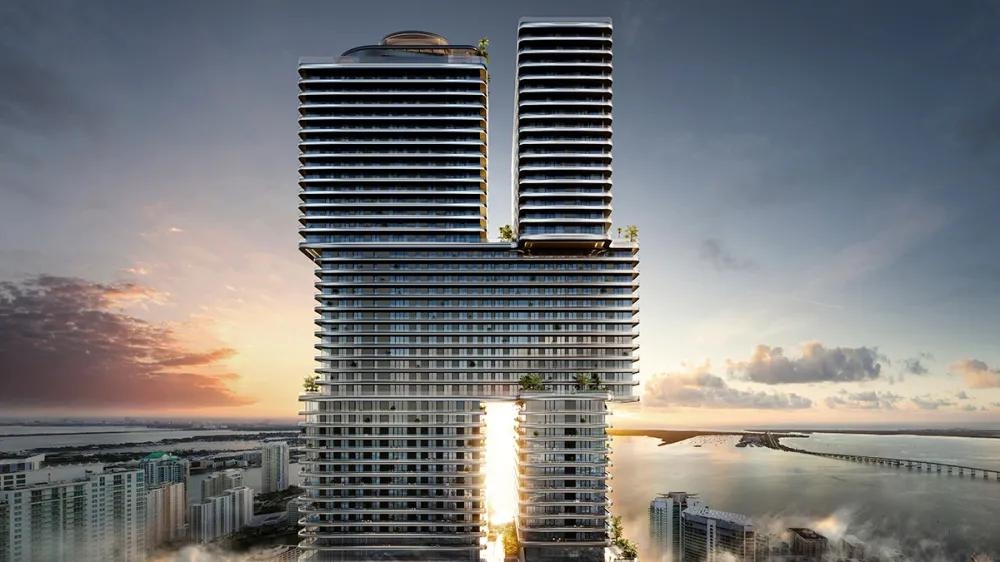
Miami’s pre-construction market is thriving, offering international buyers the opportunity to lock in brand-new, high-end residences in one of the world’s most desirable destinations. But a common question I hear is: “Can foreigners finance pre-construction in Miami?”
The answer is yes—and the process is more accessible than many think. Here’s how international buyers can successfully finance pre-construction properties in Miami, what lenders typically require, and how to make the most of your investment.
Why Pre-Construction Appeals to Foreign Buyers
Pre-construction properties in Miami offer:

Financing Options for Foreign Buyers
Unlike traditional purchases, pre-construction deals are structured differently. Developers typically require staged deposits during construction, and the balance is due upon completion. Here’s how financing fits in:
1. Developer Payment Schedules
Most pre-construction projects follow a schedule like:
The final balance can often be financed through a U.S.-based lender or foreign national loan.
2. Foreign National Mortgages
Several U.S. banks and private lenders offer mortgages specifically for foreign buyers. These typically fund the final payment at closing. Key features include:
Typical Lender Requirements
While each lender differs, most will ask for:
Some high-net-worth individuals may also opt for asset-based lending, especially if they prefer not to document income.
Private Financing & Alternative Options
In addition to banks, private lenders and boutique financing firms cater to international buyers—especially in luxury developments. These lenders often:
For buyers focused on speed, discretion, or complex financial backgrounds, this can be a viable route.
Tips for a Smooth Process
All this to say...
Yes, foreigners can finance pre-construction in Miami — and with the right guidance, it can be a smooth, strategic investment. Whether you’re looking to secure a vacation home, income-producing property, or long-term asset, there are multiple pathways to fund your purchase.
Curious about which Miami projects offer the best terms for international buyers? Let’s talk — I’ll guide you to the ones offering strong value, solid appreciation potential, and financing flexibility tailored to your profile.

Miami’s pre-construction market is thriving, offering international buyers the opportunity to lock in brand-new, high-end residences in one of the world’s most desirable destinations. But ....
Every seller believes their home is worth a little more than the one that just sold down the street. That instinct is normal. It is also the single biggest reason a good home sits on the market for
 Massachusetts MLS Property Info Network (MLSPIN) - The property listing data and information set forth herein were provided to MLS Property Information Network, Inc. from third party sources, including sellers, lessors and public records, and were compiled by MLS Property Information Network, Inc. The property listing data and information are for the personal, non commercial use of consumers having a good faith interest in purchasing or leasing listed properties of the type displayed to them and
may not be used for any purpose other than to identify prospective properties which such consumers may have a good faith interest in purchasing or leasing. MLS Property Information Network, Inc. and its subscribers disclaim any and all representations and warranties as to the accuracy of the property listing data and information set forth herein. Last Update: September 12, 2026 7:59 PM UTC
Show More...
Massachusetts MLS Property Info Network (MLSPIN) - The property listing data and information set forth herein were provided to MLS Property Information Network, Inc. from third party sources, including sellers, lessors and public records, and were compiled by MLS Property Information Network, Inc. The property listing data and information are for the personal, non commercial use of consumers having a good faith interest in purchasing or leasing listed properties of the type displayed to them and
may not be used for any purpose other than to identify prospective properties which such consumers may have a good faith interest in purchasing or leasing. MLS Property Information Network, Inc. and its subscribers disclaim any and all representations and warranties as to the accuracy of the property listing data and information set forth herein. Last Update: September 12, 2026 7:59 PM UTC
Show More...
 Copyright© 2026 REIN Inc. Information Deemed Reliable But Not Guaranteed. The listings data displayed on this medium comes in part from the Real Estate Information Network Inc.(REIN) and has been authorized by participating listing Broker Members of REIN for display. REIN's listings are based upon Data submitted by its Broker Members, and REIN therefore makes no representation or warranty regarding the accuracy of the Data. All users of REIN's listings database should confirm the accuracy of
the listing information directly with the listing agent. Copyright ©2026 REIN. REIN's listings Data and information is protected under federal copyright laws.Federal law prohibits, among other acts, the unauthorized copying or alteration of, or preparation of derivative works from, all or any part of copyrighted materials, including certain compilations of Data and information. COPYRIGHT VIOLATORS MAY BE SUBJECT TO SEVERE FINES AND PENALTIES
UNDER FEDERAL LAW.
REIN updates its listings on a daily basis. Data last updated: September 12, 2026 7:53 PM UTC
Show More...
Copyright© 2026 REIN Inc. Information Deemed Reliable But Not Guaranteed. The listings data displayed on this medium comes in part from the Real Estate Information Network Inc.(REIN) and has been authorized by participating listing Broker Members of REIN for display. REIN's listings are based upon Data submitted by its Broker Members, and REIN therefore makes no representation or warranty regarding the accuracy of the Data. All users of REIN's listings database should confirm the accuracy of
the listing information directly with the listing agent. Copyright ©2026 REIN. REIN's listings Data and information is protected under federal copyright laws.Federal law prohibits, among other acts, the unauthorized copying or alteration of, or preparation of derivative works from, all or any part of copyrighted materials, including certain compilations of Data and information. COPYRIGHT VIOLATORS MAY BE SUBJECT TO SEVERE FINES AND PENALTIES
UNDER FEDERAL LAW.
REIN updates its listings on a daily basis. Data last updated: September 12, 2026 7:53 PM UTC
Show More...
 Based on information from California Regional Multiple Listing Service, Inc. as of September 12, 2026 8:16 PM UTC This information is for your personal, non-commercial use and may not be used for any purpose other than to identify prospective properties you may be interested in purchasing. Display of MLS data is usually deemed reliable but is NOT guaranteed accurate by the MLS. Buyers are responsible for verifying the accuracy of all information and should investigate the data themselves or retain appropriate professionals. Information from sources other than the Listing Agent may have been included in the MLS data. Unless otherwise specified in writing, Broker/Agent has not and will not verify any information obtained from other sources. The Broker/Agent providing the information contained herein may or may not have been the Listing and/or Selling Agent.
Based on information from September 12, 2026 8:16 PM UTC The information being provided by CRMLS is for the visitor's personal, noncommercial use and may not be used for any purpose other than to identify prospective properties visitor may be interested in purchasing. The data contained herein is copyrighted by CRMLS, CLAW, i-Tech MLS, PSRMLS and/or VCRDS and is protected by all applicable copyright laws. Any dissemination of this information is in violation of copyright laws and is strictly prohibited.
Any property information referenced on this website comes from the Internet Data Exchange (IDX) program of CRMLS. All data, including all measurements and calculations of area, is obtained from various sources and has not been, and will not be, verified by broker or MLS. All information should be independently reviewed and verified for accuracy. Properties may or may not be listed by the office/agent presenting the information.
 Information provided by Intermountain MLS (IMLS) is deemed reliable but not guaranteed.
The data relating to real estate for sale on this website comes in part from the Internet Data Exchange program of the Intermountain MLS system. Real estate listings held by brokerage firms other than Official IRE Demo Account are marked with the IDX icon.
IDX information is provided exclusively for consumer's personal, non-commercial use, that it may not be used for any purpose other than to identify prospective
properties consumers may be interested in purchasing. IMLS does not assume any liability for missing or inaccurate data September 12, 2026 8:16 PM UTCd
Show More...
Information provided by Intermountain MLS (IMLS) is deemed reliable but not guaranteed.
The data relating to real estate for sale on this website comes in part from the Internet Data Exchange program of the Intermountain MLS system. Real estate listings held by brokerage firms other than Official IRE Demo Account are marked with the IDX icon.
IDX information is provided exclusively for consumer's personal, non-commercial use, that it may not be used for any purpose other than to identify prospective
properties consumers may be interested in purchasing. IMLS does not assume any liability for missing or inaccurate data September 12, 2026 8:16 PM UTCd
Show More...
 All information deemed reliable, but not guaranteed.Listing data provided & copyrighted © by (PAAR) Prescott Area Association of REALTORS®
 Based on information from California Desert Association of Realtors as of September 12, 2026 8:03 PM UTC The information being provided by California Desert Association of Realtors, SoCalMLS, CRISNet MLS, and CARETS is for the consumer's personal, non-commercial use and may not be used for any purpose other than to identify prospective properties consumer may be interested in purchasing. Any information relating to real estate for sale referenced on this web site comes from the Internet Data Exchange
(IDX) program of the SCalifornia Desert Association of Realtors, SoCalMLS, CRISNet MLS, and CARETS. ZipRealty, Inc. is not a Multiple Listing Service (MLS), nor does it offer MLS access. This website is a service of ZipRealty, Inc., a broker participant of California Desert Association of Realtors, SoCalMLS, CRISNet MLS, or CARETS. This web site may reference real estate listing(s) held by a brokerage firm other than the broker and/or agent who owns this web site.
The accuracy of all information, regardless of source, including but not limited to open house information, square footages and lot sizes, is deemed reliable but not guaranteed and should be personally verified through personal inspection by and/or with the appropriate professionals. The data contained herein is copyrighted by California Desert Association of Realtors, SoCalMLS, CRISNet MLS, and CARETS and is protected by all applicable copyright laws. Any unauthorized dissemination of this information is in violation of copyright laws and is strictly prohibited.
Copyright 2026 California Desert Association of Realtors, SoCalMLS, CRISNet MLS, and CARETS. All rights reserved. Certain information contained herein is derived from information which is the licensed property of, and copyrighted by, SoCalMLS Inc
Data last updated: September 12, 2026 8:03 PM UTC
If a listing displays "Short Sale/Subject to Lender Approval" then that listing has been identified by the seller and the listing broker as a "Short sale." This means that, at the listed price, the proceeds from the sale may not be adequate to pay all liens and costs of sale. Any offer made that does not fully cover the existing amount(s) owed to the lienholder(s) plus the costs of sale could be subject to lienholder approval, which approval may be exercised at the sole and exclusive discretion of the lienholder(s).
Show More...
Based on information from California Desert Association of Realtors as of September 12, 2026 8:03 PM UTC The information being provided by California Desert Association of Realtors, SoCalMLS, CRISNet MLS, and CARETS is for the consumer's personal, non-commercial use and may not be used for any purpose other than to identify prospective properties consumer may be interested in purchasing. Any information relating to real estate for sale referenced on this web site comes from the Internet Data Exchange
(IDX) program of the SCalifornia Desert Association of Realtors, SoCalMLS, CRISNet MLS, and CARETS. ZipRealty, Inc. is not a Multiple Listing Service (MLS), nor does it offer MLS access. This website is a service of ZipRealty, Inc., a broker participant of California Desert Association of Realtors, SoCalMLS, CRISNet MLS, or CARETS. This web site may reference real estate listing(s) held by a brokerage firm other than the broker and/or agent who owns this web site.
The accuracy of all information, regardless of source, including but not limited to open house information, square footages and lot sizes, is deemed reliable but not guaranteed and should be personally verified through personal inspection by and/or with the appropriate professionals. The data contained herein is copyrighted by California Desert Association of Realtors, SoCalMLS, CRISNet MLS, and CARETS and is protected by all applicable copyright laws. Any unauthorized dissemination of this information is in violation of copyright laws and is strictly prohibited.
Copyright 2026 California Desert Association of Realtors, SoCalMLS, CRISNet MLS, and CARETS. All rights reserved. Certain information contained herein is derived from information which is the licensed property of, and copyrighted by, SoCalMLS Inc
Data last updated: September 12, 2026 8:03 PM UTC
If a listing displays "Short Sale/Subject to Lender Approval" then that listing has been identified by the seller and the listing broker as a "Short sale." This means that, at the listed price, the proceeds from the sale may not be adequate to pay all liens and costs of sale. Any offer made that does not fully cover the existing amount(s) owed to the lienholder(s) plus the costs of sale could be subject to lienholder approval, which approval may be exercised at the sole and exclusive discretion of the lienholder(s).
Show More...
 © BRIGHT, All Rights Reserved
Information Deemed Reliable But Not Guaranteed
The data relating to real estate for sale on this website appears in part through the BRIGHT Internet Data Exchange program, a voluntary cooperative exchange of
property listing data between licensed real estate brokerage firms in which
participates, and is provided by BRIGHT through a licensing agreement.
The information provided by this website is for the personal,
non-commercial use of consumers and may not be used for any purpose other than to identify prospective properties consumers may be interested in purchasing.
Data last updated: September 12, 2026 6:17 PM UTC
Some properties which appear for sale on this website may no longer be available
because they are under contract, have Closed or are no longer being offered for sale.
Some real estate firms do not participate in IDX and their listings do not appear on this website. Some properties listed with participating firms do not appear on this website at the request of the seller.
Show More...
 OneKey® MLS required Copyright, Source of Data and Disclaimer for IDX display
Information Copyright 2026, OneKey® MLS. All Rights Reserved.
The source of the displayed data is either the property owner or public record provided by non-governmental third parties. It is believed to be reliable but not guaranteed. This information is provided exclusively for consumers' personal, non-commercial use.
The data relating to real estate for sale on this website comes in part from the
IDX Program of OneKey® MLS.
OneKey® MLS required Copyright, Source of Data and Disclaimer for IDX display
Information Copyright 2026, OneKey® MLS. All Rights Reserved.
The source of the displayed data is either the property owner or public record provided by non-governmental third parties. It is believed to be reliable but not guaranteed. This information is provided exclusively for consumers' personal, non-commercial use.
The data relating to real estate for sale on this website comes in part from the
IDX Program of OneKey® MLS.
33. Required DMCA Notice
The Digital Millennium Copyright Act of 1998, 17 U.S.C. §512, the DMCA, provides recourse for copyright owners who believe that material appearing on the Internet infringes their rights under U.S. copyright law. If you believe in good faith that any content or material made available in connection with our website or services infringes your copyright, you (or your agent) may send us a notice requesting that the content or material be removed, or access to it blocked. Notices must be sent in writing by email to DMCAnotice@MLSGrid.com. The DMCA requires that your notice of alleged copyright infringement include the following information: (1) description of the copyrighted work that is the subject of claimed infringement; (2) description of the alleged infringing content and information sufficient to permit us to locate the content; (3) contact information for you, including your address, telephone number and email address; (4) a statement by you that you have a good faith belief that the content in the manner complained of is not authorized by the copyright owner, or its agent, or by the operation of any law; (5) a statement by you, signed under penalty of perjury, that the information in the notification is accurate and that you have the authority to enforce the copyrights that are claimed to be infringed; and (6) a physical or electronic signature of the copyright owner or a person authorized to act on the copyright owner\'s behalf. Failure to include all of the above information may result in the delay of the processing of your complaint.
Show More...
 All information deemed reliable but not guaranteed. All properties are subject to prior sale, change or withdrawal. Neither listing broker(s) or information provider(s) shall be responsible for any typographical errors, misinformation, misprints and shall be held totally harmless. Listing(s) information is provided for consumer's personal, non-commercial use and may not be used for any purpose other than to identify prospective properties consumers may be interested in purchasing. The data relating
to real estate for sale on this website comes in part from the Internet Data Exchange program of the Multiple Listing Service. Real estate listings held by brokerage firms other than Official IRE Demo Account may be marked with the Internet Data Exchange logo and detailed information about those properties will include the name of the listing broker(s) when required by the MLS. Copyright ©2026 All rights reserved.
Last Updated: September 12, 2026 7:47 PM UTC
Show More...
All information deemed reliable but not guaranteed. All properties are subject to prior sale, change or withdrawal. Neither listing broker(s) or information provider(s) shall be responsible for any typographical errors, misinformation, misprints and shall be held totally harmless. Listing(s) information is provided for consumer's personal, non-commercial use and may not be used for any purpose other than to identify prospective properties consumers may be interested in purchasing. The data relating
to real estate for sale on this website comes in part from the Internet Data Exchange program of the Multiple Listing Service. Real estate listings held by brokerage firms other than Official IRE Demo Account may be marked with the Internet Data Exchange logo and detailed information about those properties will include the name of the listing broker(s) when required by the MLS. Copyright ©2026 All rights reserved.
Last Updated: September 12, 2026 7:47 PM UTC
Show More...
 All information deemed reliable but not guaranteed. All properties are subject to prior sale, change or withdrawal. Neither listing broker(s) or information provider(s) shall be responsible for any typographical errors, misinformation, misprints and shall be held totally harmless. Listing(s) information is provided for consumer's personal, non-commercial use and may not be used for any purpose other than to identify prospective properties consumers may be interested in purchasing. The data relating
to real estate for sale on this website comes in part from the Internet Data Exchange program of the Multiple Listing Service. Real estate listings held by brokerage firms other than Official IRE Demo Account may be marked with the Internet Data Exchange logo and detailed information about those properties will include the name of the listing broker(s) when required by the MLS. Copyright ©2026 All rights reserved.
Last Updated: September 12, 2026 8:11 PM UTC
Show More...
All information deemed reliable but not guaranteed. All properties are subject to prior sale, change or withdrawal. Neither listing broker(s) or information provider(s) shall be responsible for any typographical errors, misinformation, misprints and shall be held totally harmless. Listing(s) information is provided for consumer's personal, non-commercial use and may not be used for any purpose other than to identify prospective properties consumers may be interested in purchasing. The data relating
to real estate for sale on this website comes in part from the Internet Data Exchange program of the Multiple Listing Service. Real estate listings held by brokerage firms other than Official IRE Demo Account may be marked with the Internet Data Exchange logo and detailed information about those properties will include the name of the listing broker(s) when required by the MLS. Copyright ©2026 All rights reserved.
Last Updated: September 12, 2026 8:11 PM UTC
Show More...
